Plant Repotting Services Overview
Visitors will learn about local contractors who offer plant repotting services and how to compare options for their needs.
- - Residential property owners seeking professional plant repotting services from local contractors.
- - Commercial spaces requiring regular or one-time plant maintenance and repotting solutions.
- - Garden centers or nurseries looking to connect with local pros for plant care and repotting projects.
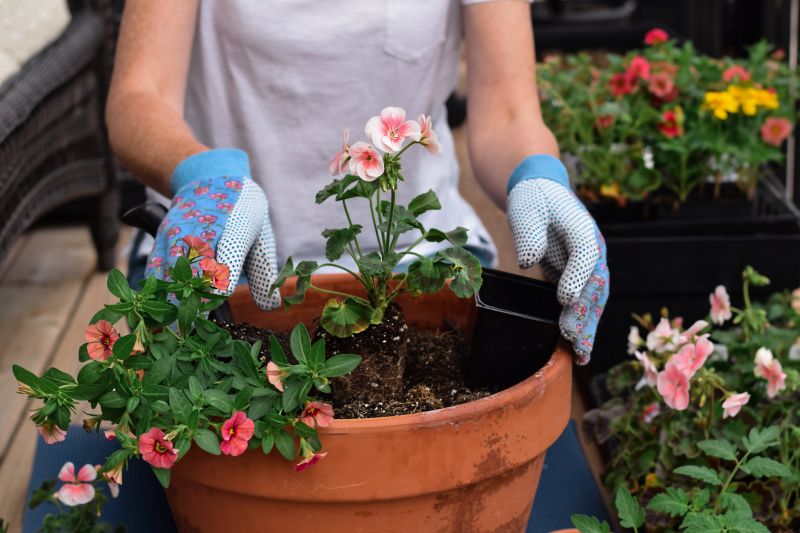
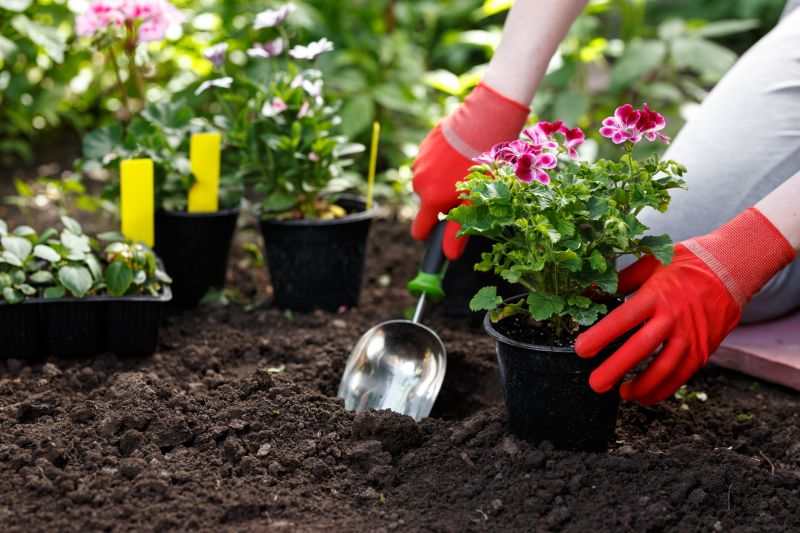
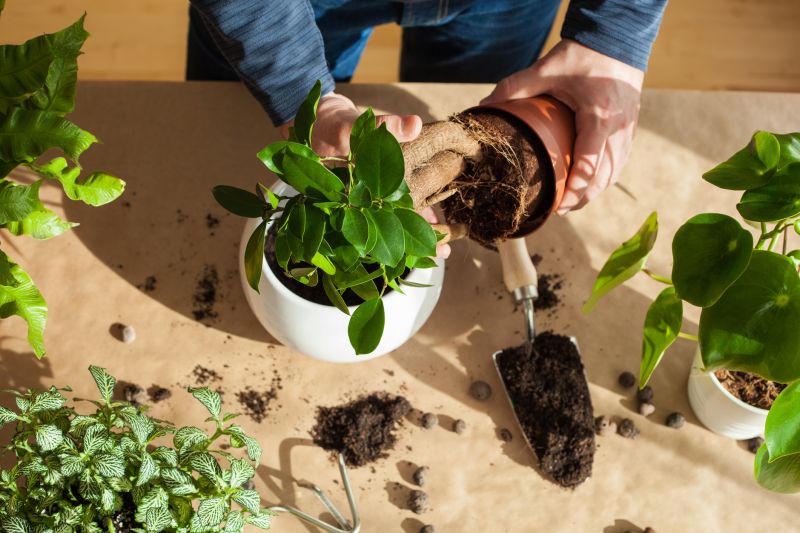
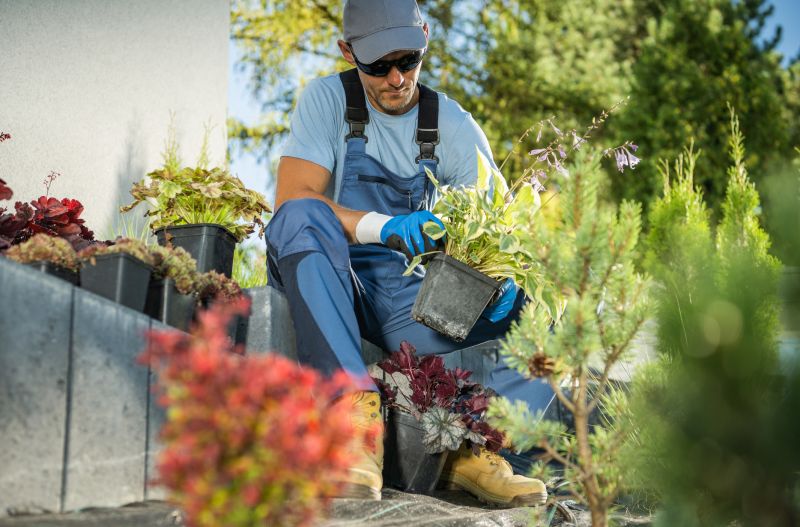
Plant repotting services involve the careful removal of a plant from its current container, inspecting and refreshing the root system, and placing it into a new, appropriately sized pot with fresh soil. This process helps promote healthy growth, prevent root-bound conditions, and enhance the plant's overall appearance. Property owners often seek assistance from local contractors who specialize in plant care and maintenance to ensure the job is done properly, especially when dealing with delicate or large plants that require specialized handling.
Local contractors offering plant repotting services typically handle a range of related tasks, including selecting suitable pots, preparing soil mixes, and ensuring proper placement for optimal growth. These service providers are experienced in working with various plant types and sizes, making it easier for property owners to maintain healthy, attractive greenery indoors or outdoors. Connecting with these local pros can help ensure the job is completed efficiently and with attention to the specific needs of each plant.
This guide provides helpful information to compare and evaluate local plant repotting service providers. It aims to assist in understanding the basics of plant repotting projects and connecting with qualified local contractors. The goal is to support informed decisions when planning plant care and maintenance services in the area.